Housekeeping
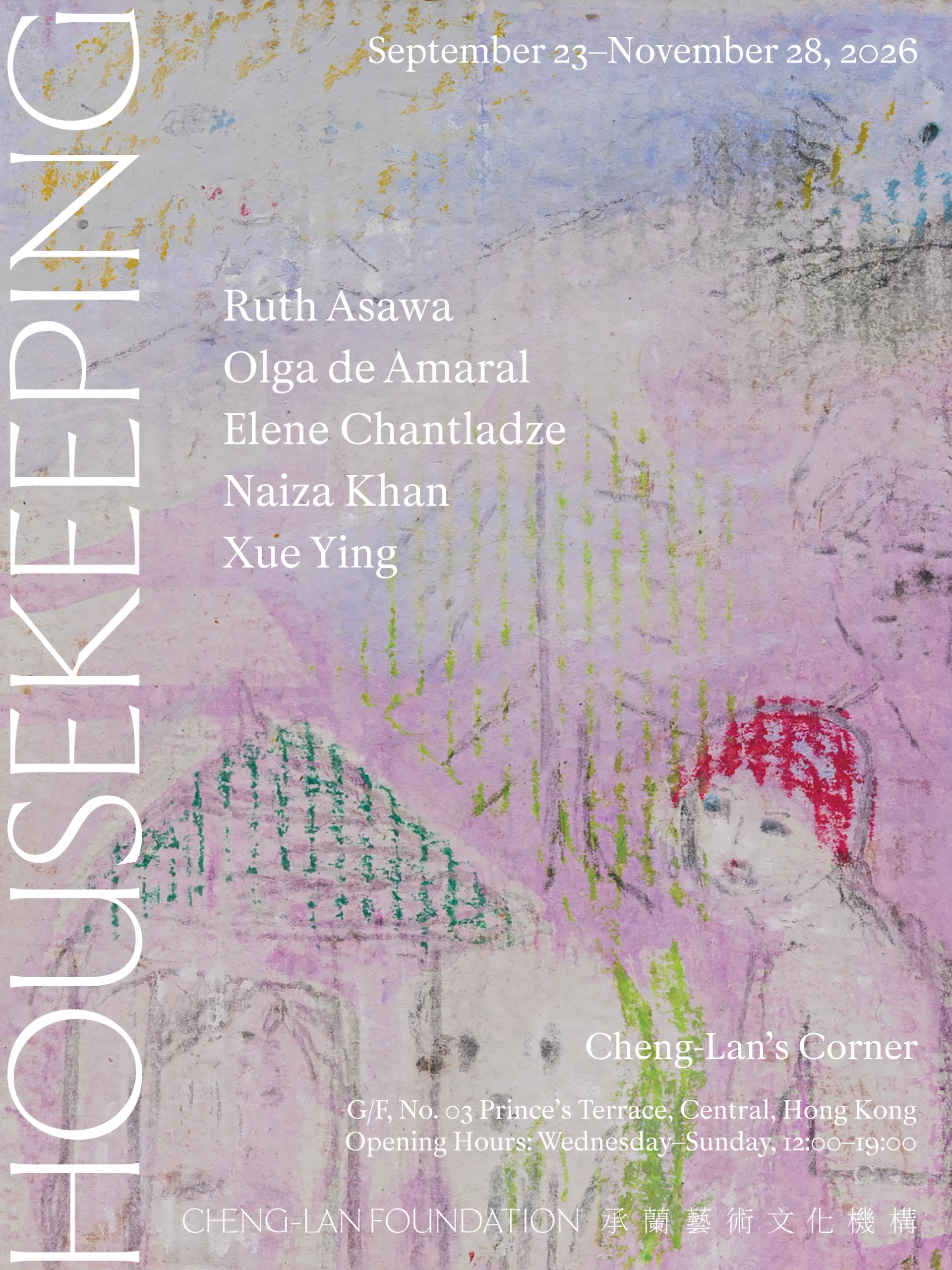
Opening Reception: Wednesday, 23 September 2026. 6.30pm-8.00pm. To attend, register here.
Opening Hours: Wed-Sun, 12.00pm-7.00pm
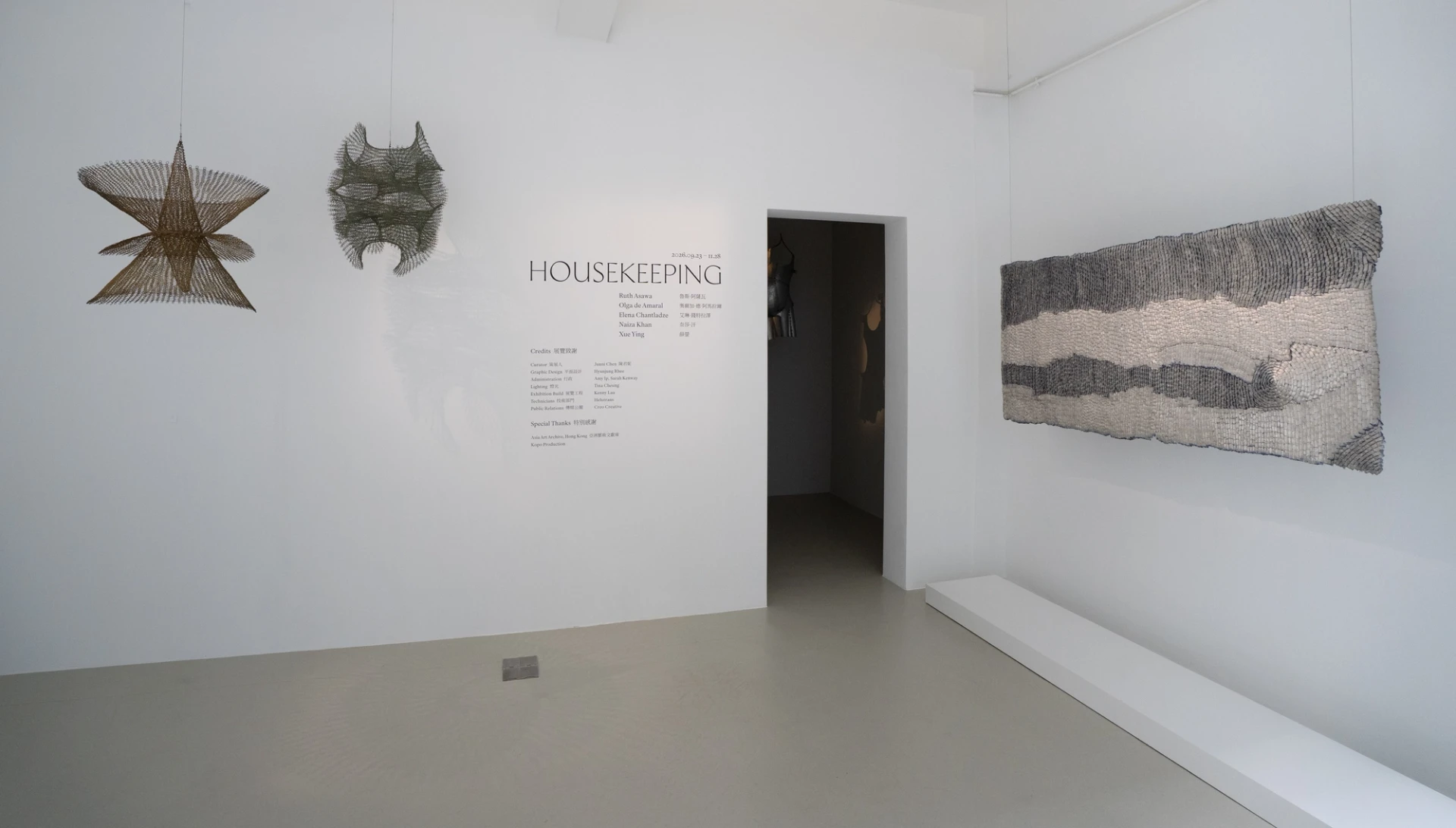
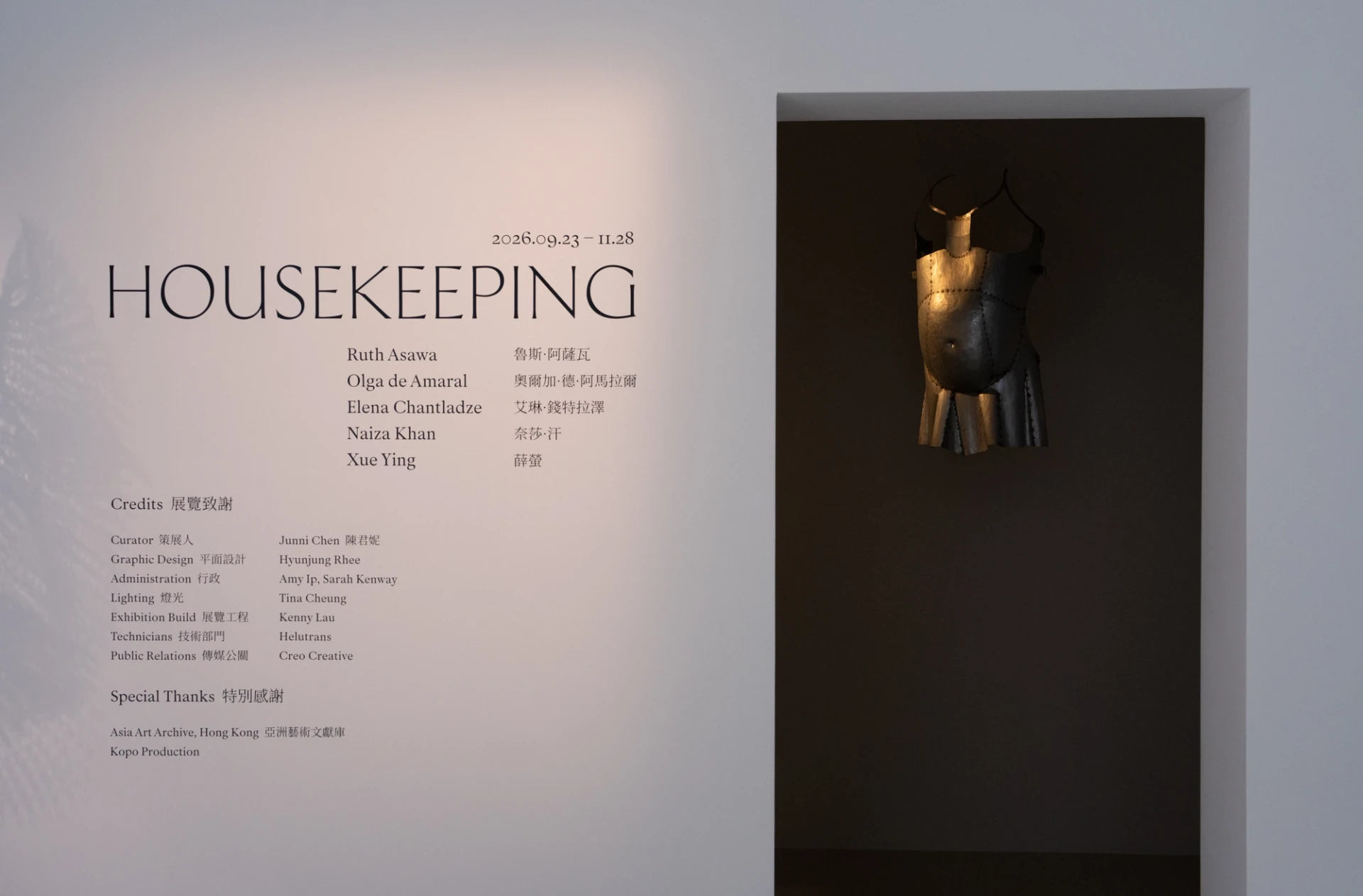
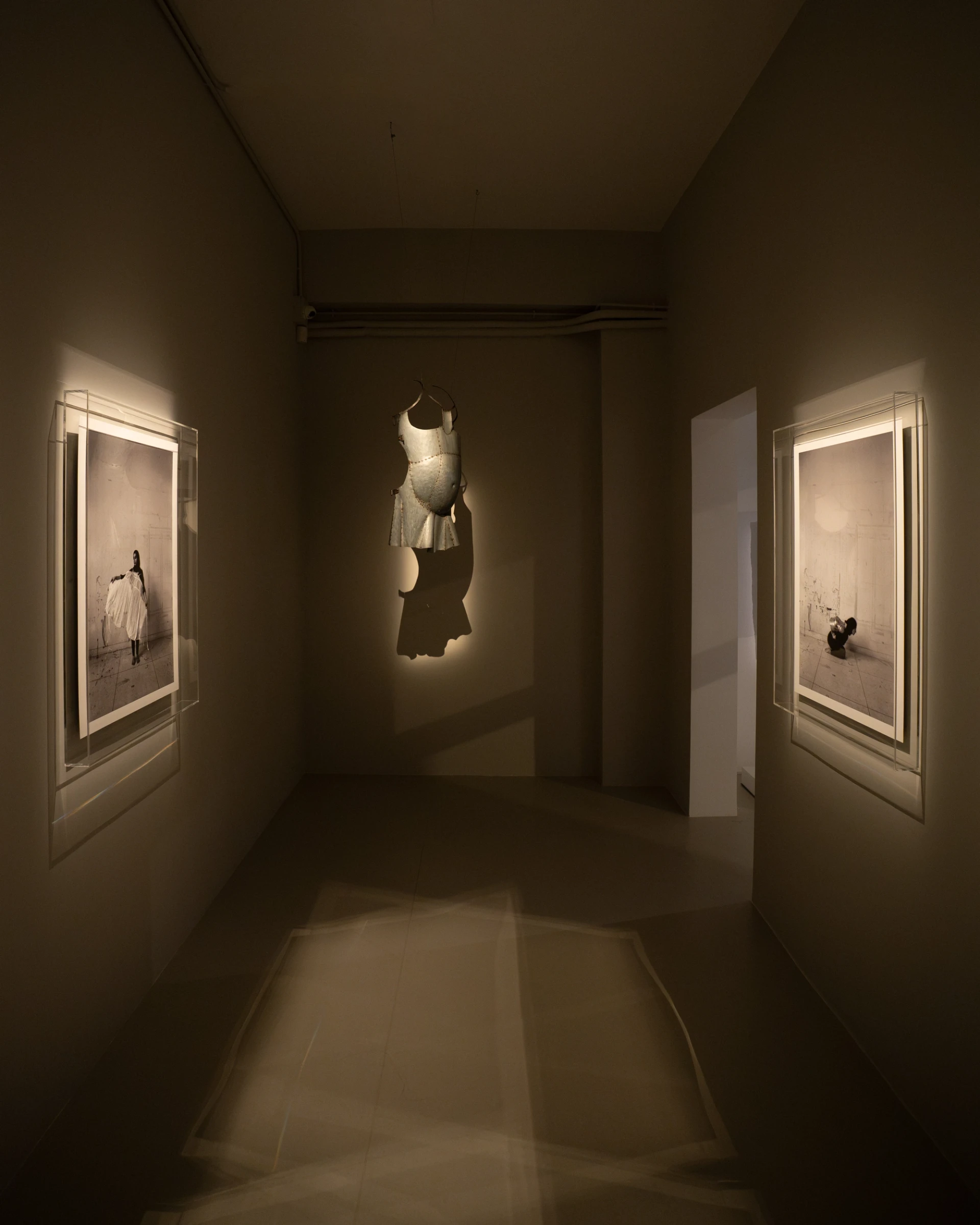
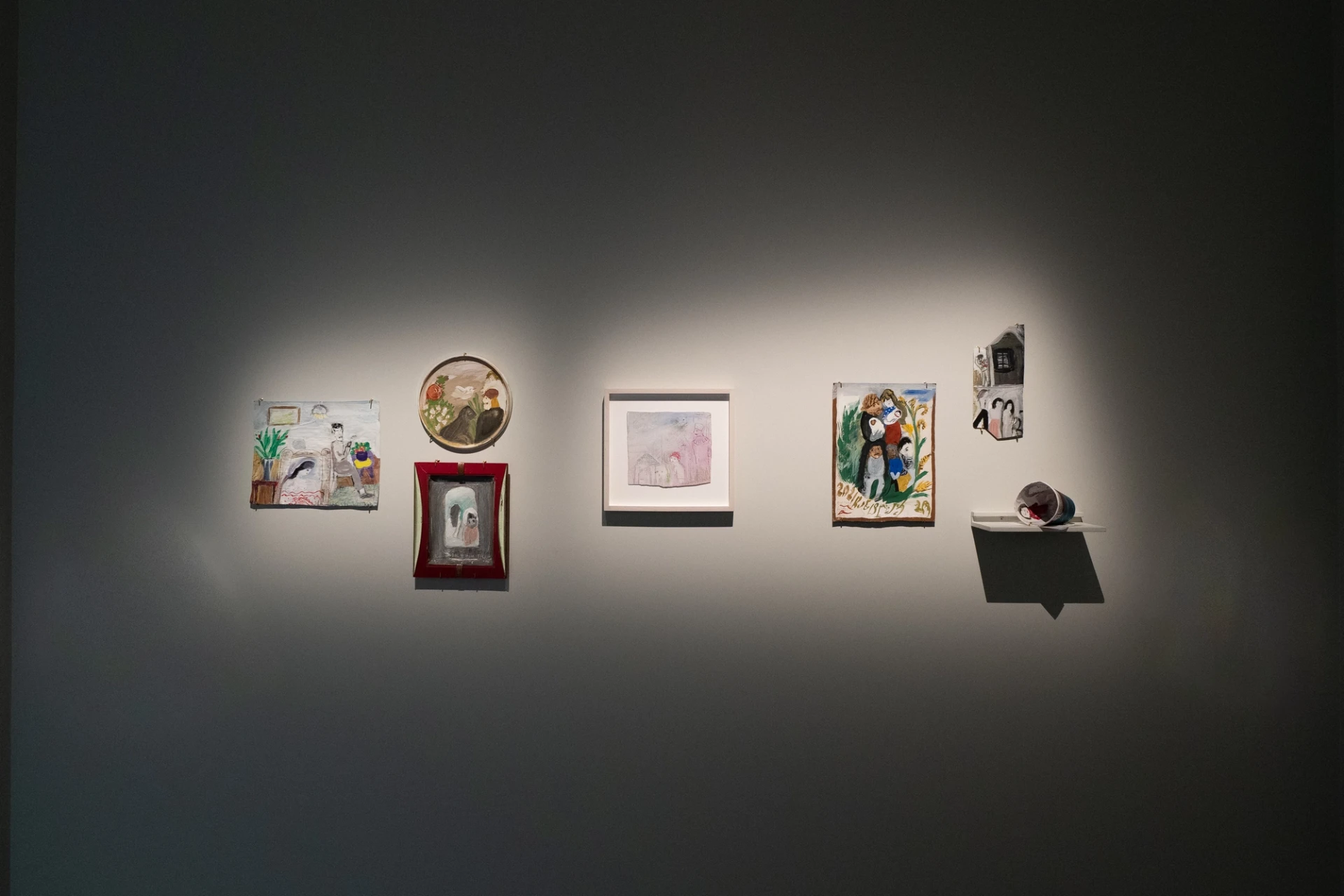
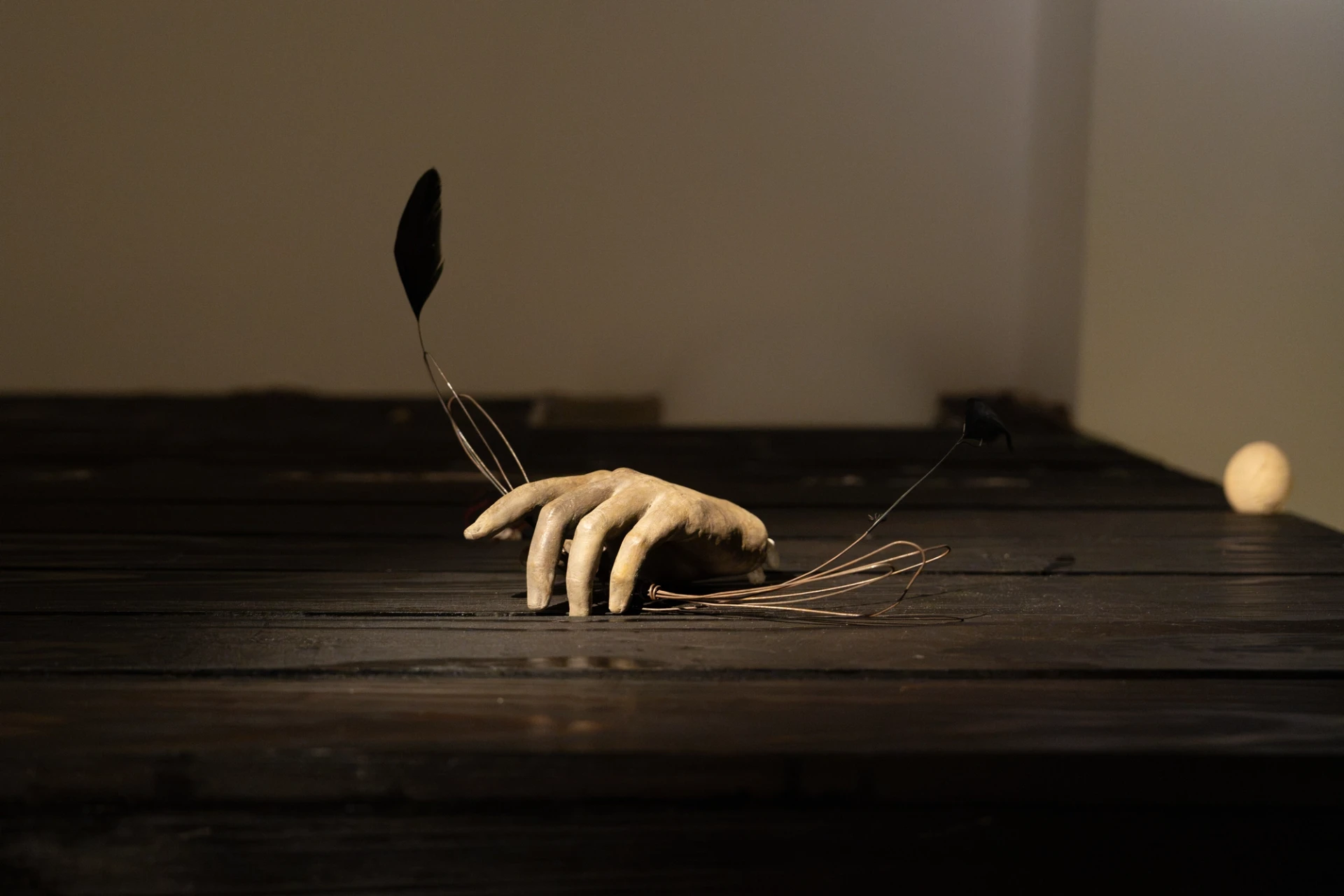
Installation view, Housekeeping, 23 Sep-28 Nov, 2026. Courtesy of Cheng-Lan Foundation. Photo: Ray Leung.
Installation view, Housekeeping, 23 Sep-28 Nov, 2026. Courtesy of Cheng-Lan Foundation. Photo: Ray Leung.
Installation view, Housekeeping, 23 Sep-28 Nov, 2026. Courtesy of Cheng-Lan Foundation. Photo: Ray Leung.
Installation view, Housekeeping, 23 Sep-28 Nov, 2026. Courtesy of Cheng-Lan Foundation. Photo: Ray Leung.
Installation view, Housekeeping, 23 Sep-28 Nov, 2026. Courtesy of Cheng-Lan Foundation. Photo: Ray Leung.
Cheng-Lan Foundation is pleased to announce Housekeeping, the second in a two-part collection show. Following Home, A Fire—which explored how the featured practices are intertwined with domestic environments and the architecture of the home—Housekeeping expands the inquiry by bringing together loaned works alongside pieces from the Foundation’s collection. This broader constellation extends the investigation of art-making as rooted in notions of home and belonging for artists across diverse backgrounds and generations.
Running through 28 November at the Foundation’s public exhibition space, Cheng-Lan’s Corner, the exhibition brings together five female-identifying artists who work across multiple mediums, including installation, photography, and sculpture.
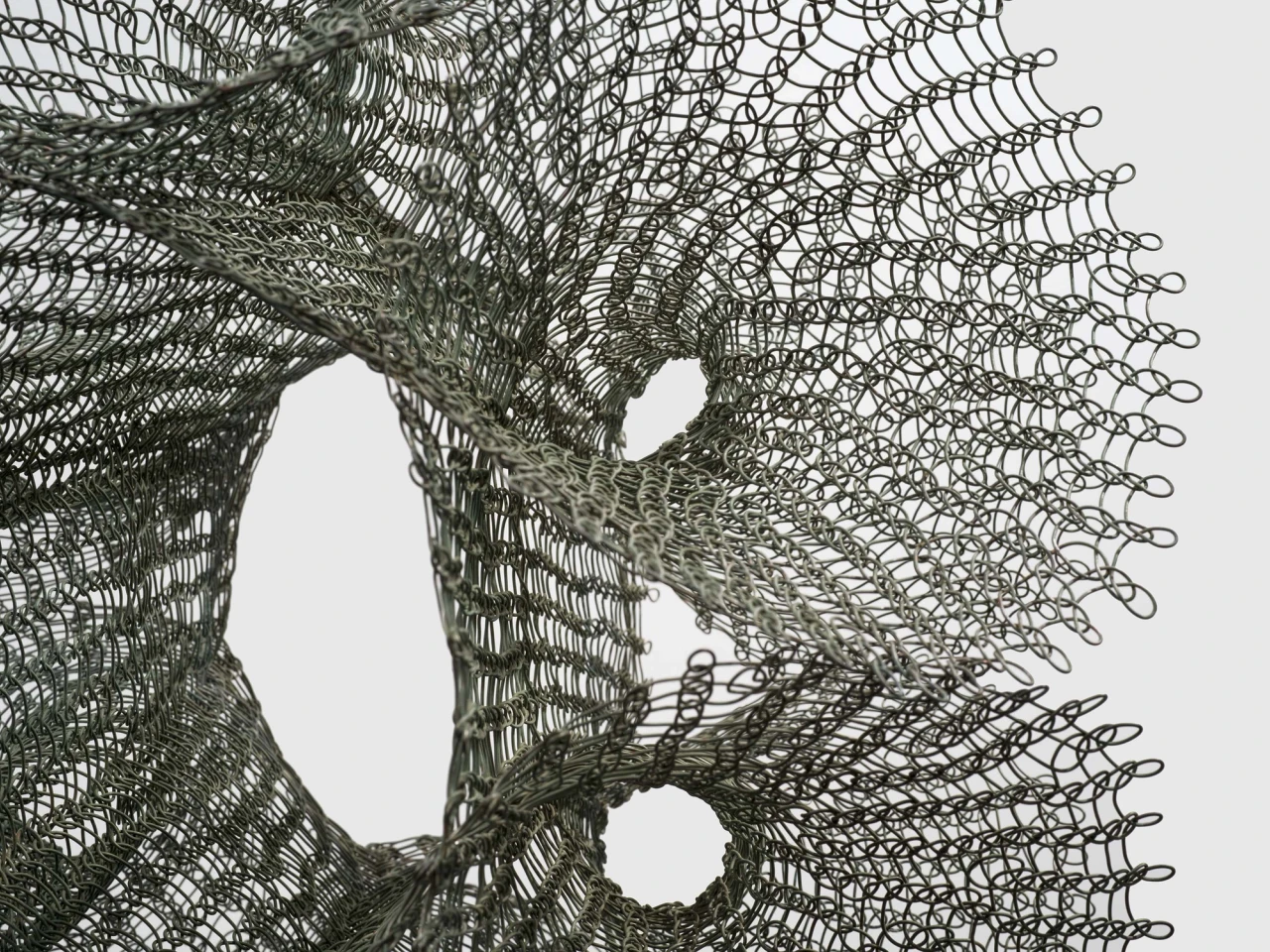
detail of Ruth Asawa, Untitled (S.575, Hanging Six Interlocking Trumpets), 1958. Collection of the Cheng-Lan Foundation. Image courtesy of the artist estate and David Zwirner.
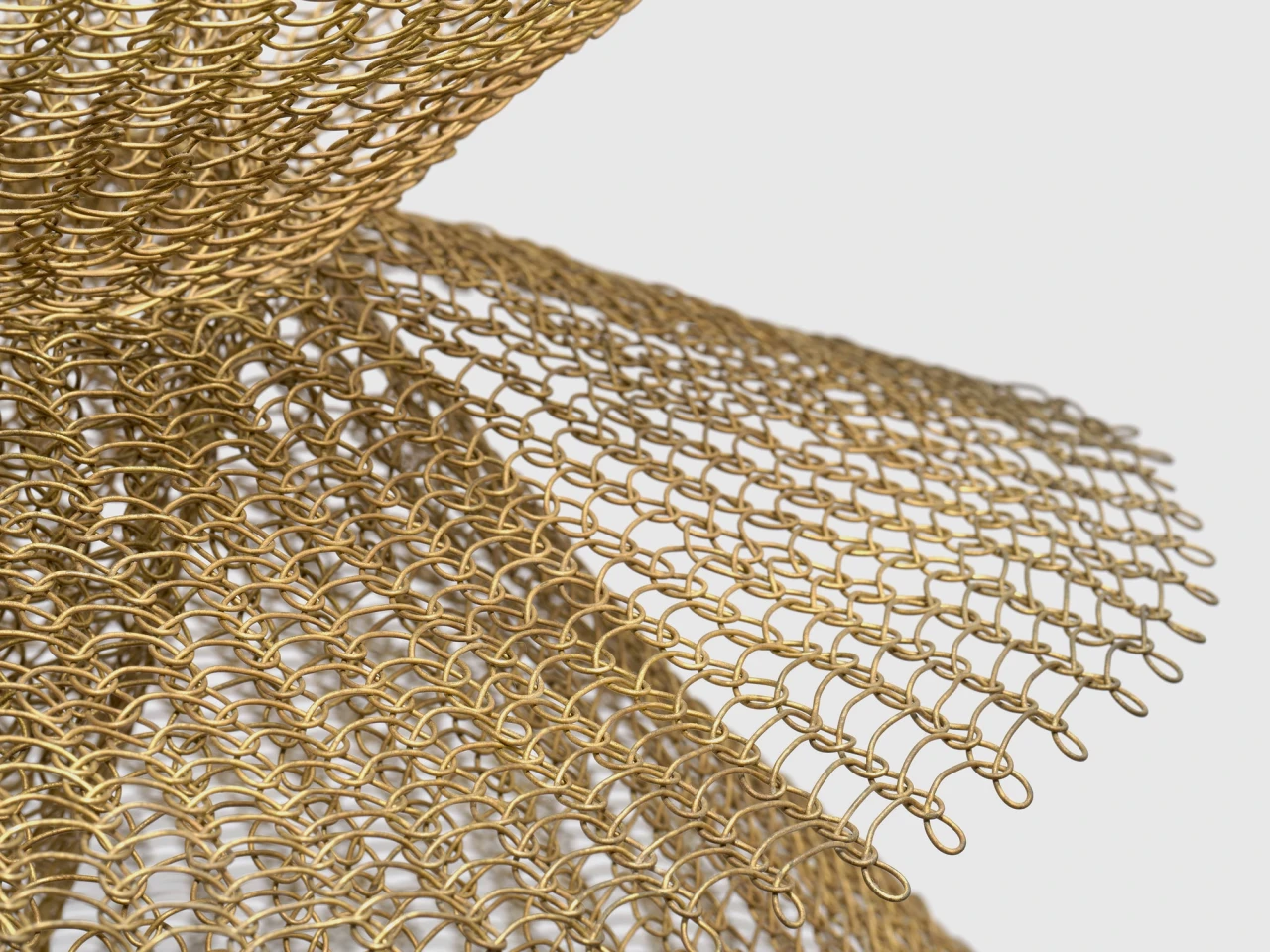
detail of Ruth Asawa, Untitled (S.166, Hanging Two Interlocking Cones with a Center Disc), 1952. Collection of the Cheng-Lan Foundation, Hong Kong. Image courtesy of the artist estate and David Zwirner.
The title of the exhibition is suggestive of the intimate, daily work of maintaining, organising, and anchoring a family within societal rules and a physical structure. Similarly, Housekeeping uplifts works by artists whose practices are indelibly inseparable from family and community life. It opens with works by Ruth Asawa and Olga de Amaral—both pioneering female artists working during the 1960s-80s— whose respective works with looped wire sculpture and woven textile were the result of integrating family life, community engagement, and education into non-hierarchical creative practices. Both artists upended conventional narratives of artmaking by advocating for everyday, craft materials as ‘fine art’, whilst persistently working against gender and hierarchical biases outside the dominant gallery system. Both artists also made maternal work an indelible part of their practices: Amaral, for example, often cited her love for textile art as stemming from watching her mother weave, whilst Asawa cared for her children alongside developing her distinct visual practice. Amaral and Asawa would also make education a part of their lives, with Amaral founding a university textile program, and Asawa playing an instrumental role in establishing San Francisco’s first public arts high school.
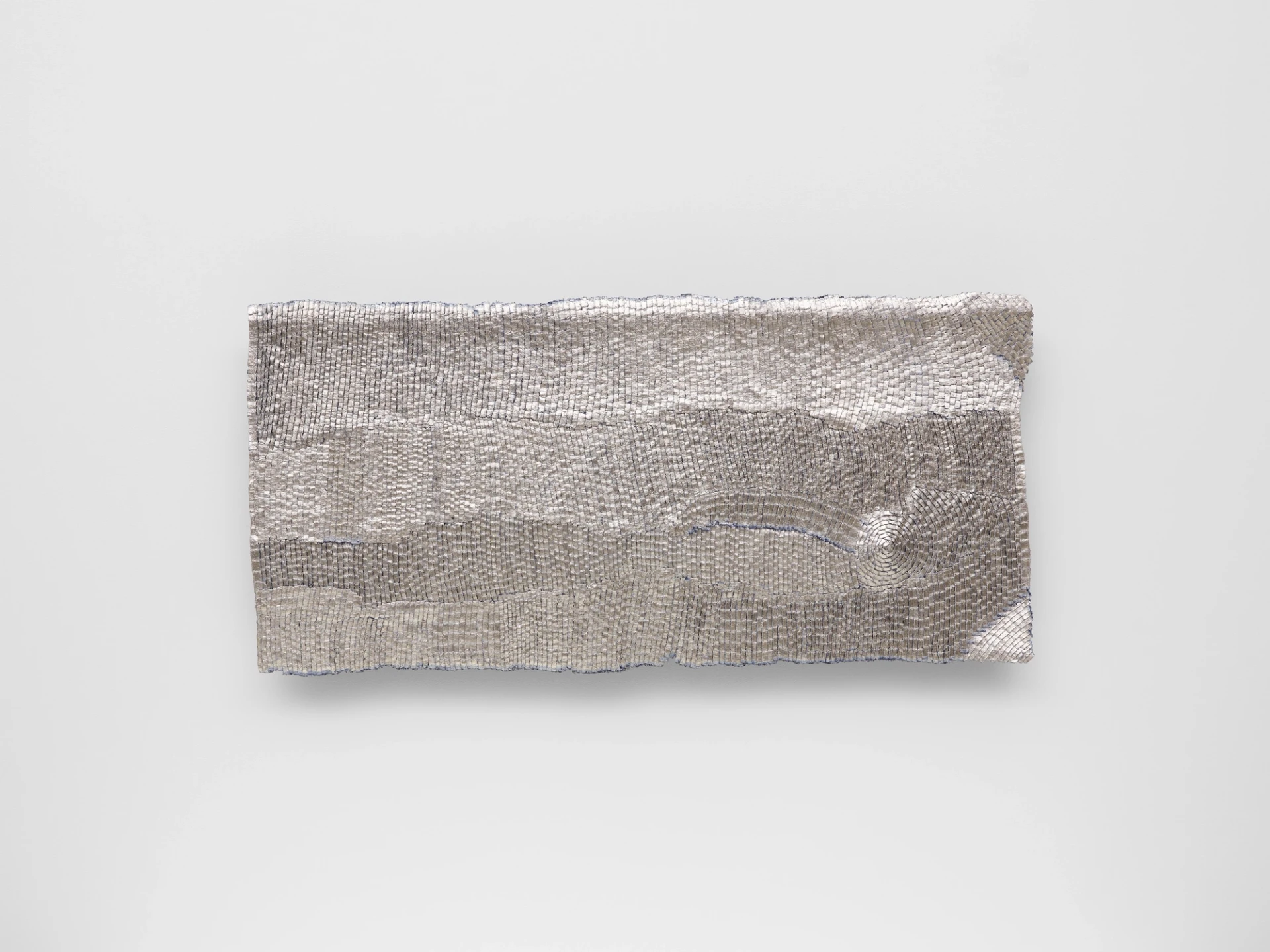
Olga de Amaral, Aqua 14, 2016. Linen, gesso, Japanese paper, acrylic and palladium leaf. Collection of the Cheng-Lan Foundation. © Olga de Amaral; Courtesy Lisson Gallery.
These works are brought into conversation with contemporary practitioners whose works provoke thought into the relationship surrounding the home, inheritance, memory, and art-making—centering these themes as a generative, powerful force for creation. Newly constructed for the occasion of the exhibition is an installation by Shanghai-based artist Xue Ying (b. 1993, Shandong), who draws from her personal contemplations of family dynamics in her practice. The work, entitled The Room is Empty, But Pregnant (2026) integrates unorthodox materials—including found objects, detritus, and natural elements— framing them into oblique references to situations that happen outside the space of the gallery.
Equally tender are the works of self-taught artist Elene Chantladze (b. 1946, Supsa), whose drawings are the result of an intuitive, almost diaristic approach to art-making. Creating her works across discarded everyday items, her representations of multiple figures—men, women, children, and even animals—unfold within small surfaces, appearing almost as suggestive, highly charged fragments of the artist’s observations of herself within her social world. Extending this conversation are several works by Pakistani-born artist Naiza Khan (b. 1968), whose Armour Lingerie IV (2007) is a powerful depiction of the female body. Evoking both vulnerability and strength, the work is accompanied by a series of her photographic work, New Clothes for the Emperor (2006), in which her collaborator Samar Zia dons Khan’s sculpted objects in a documented performance.
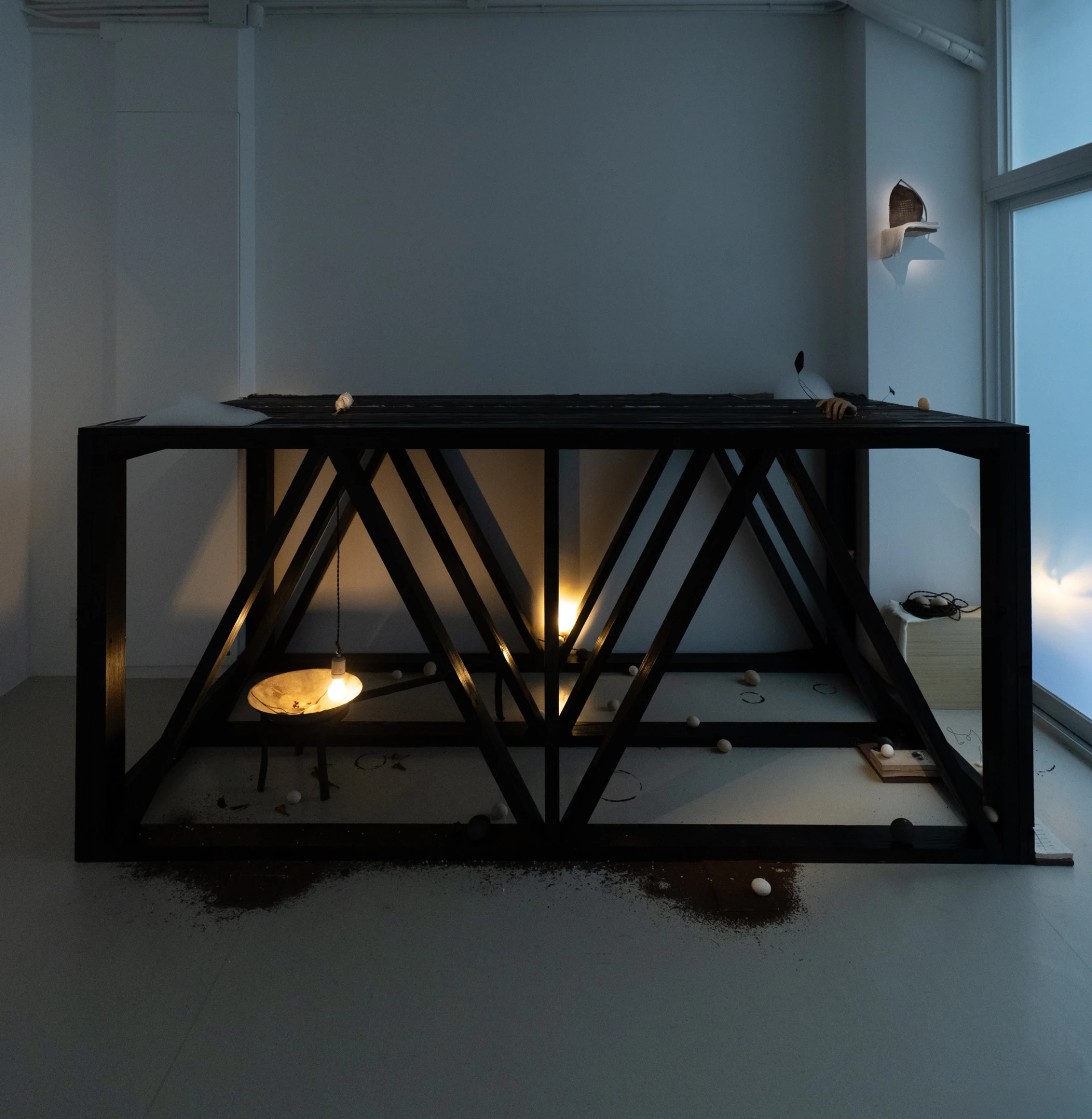
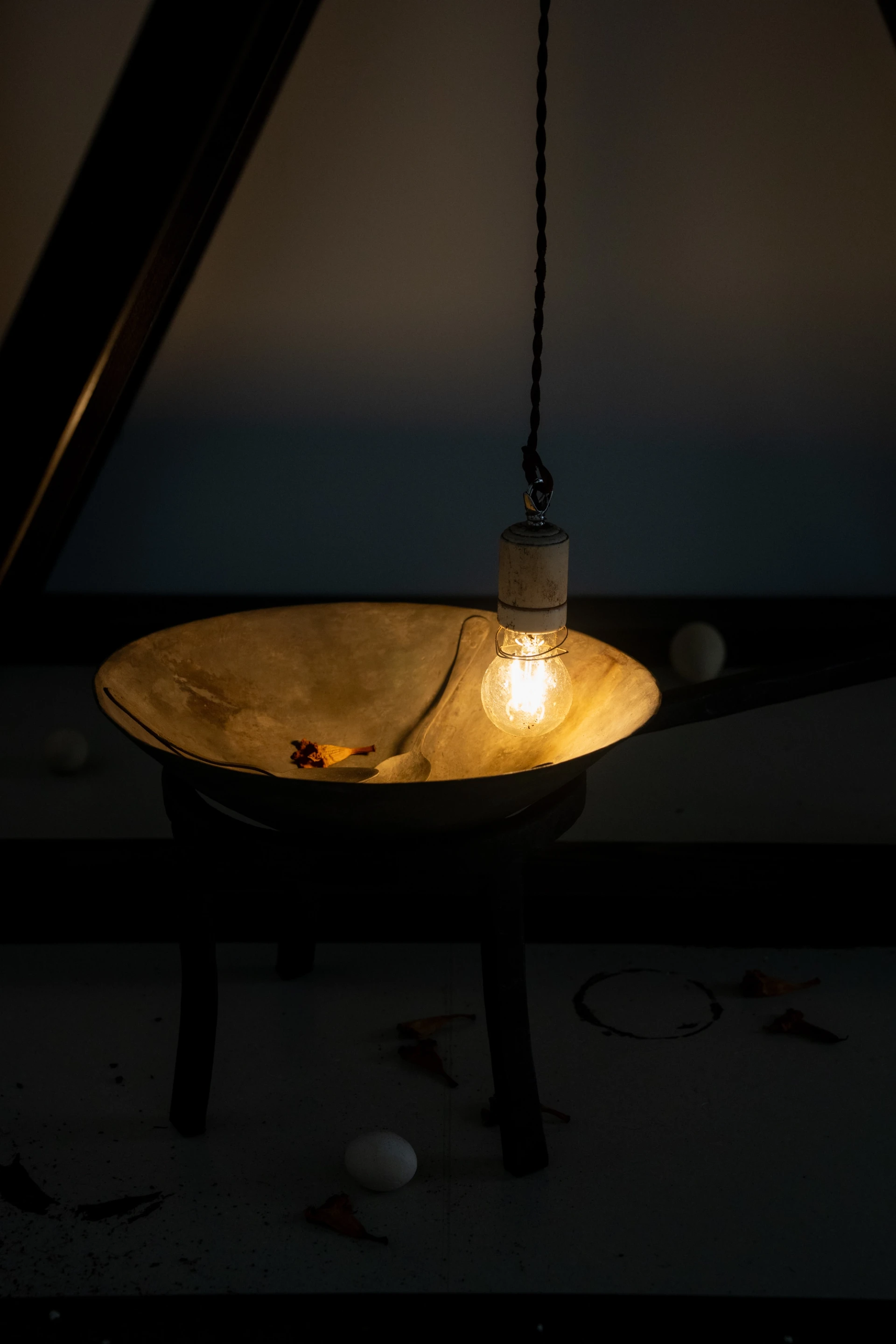
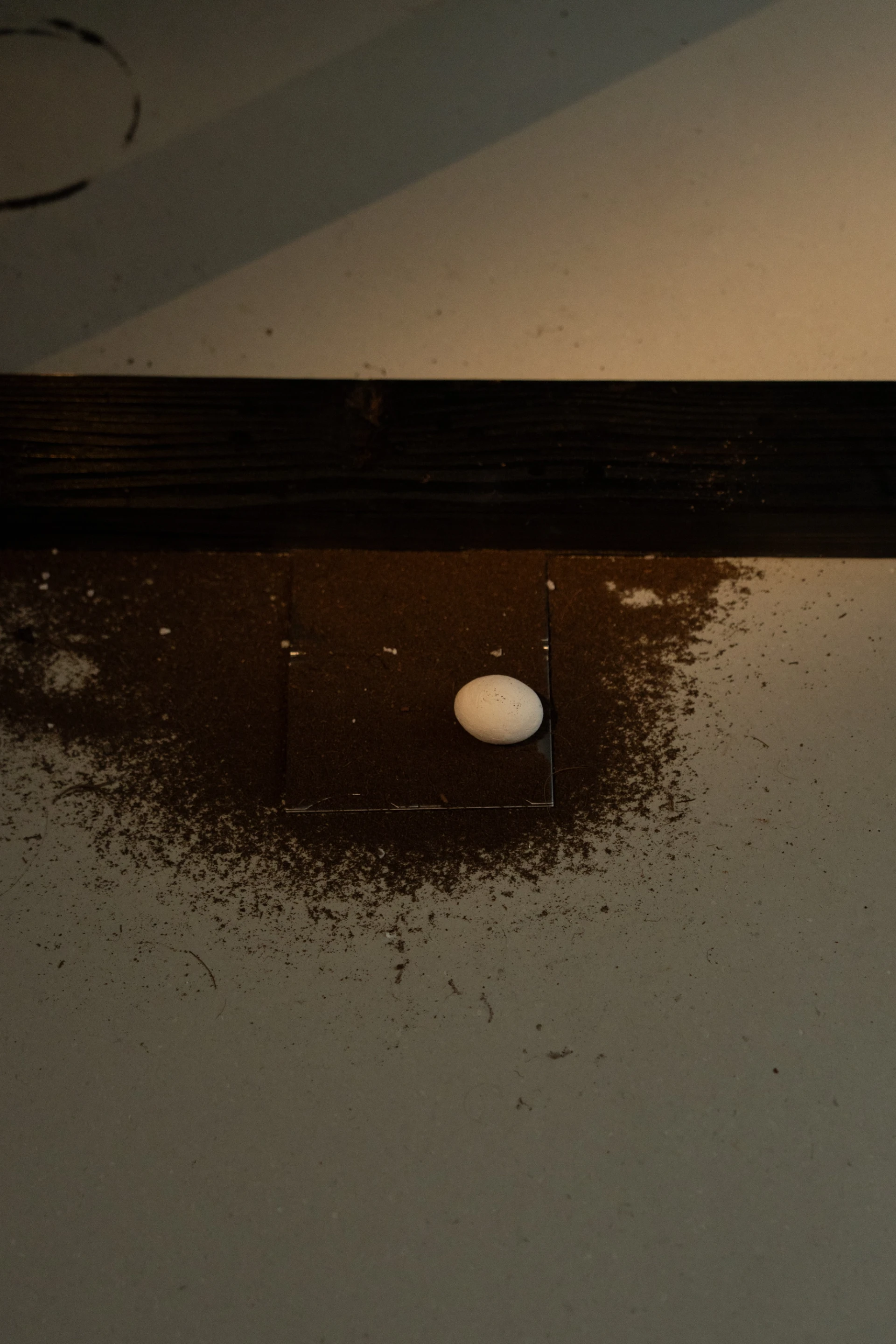
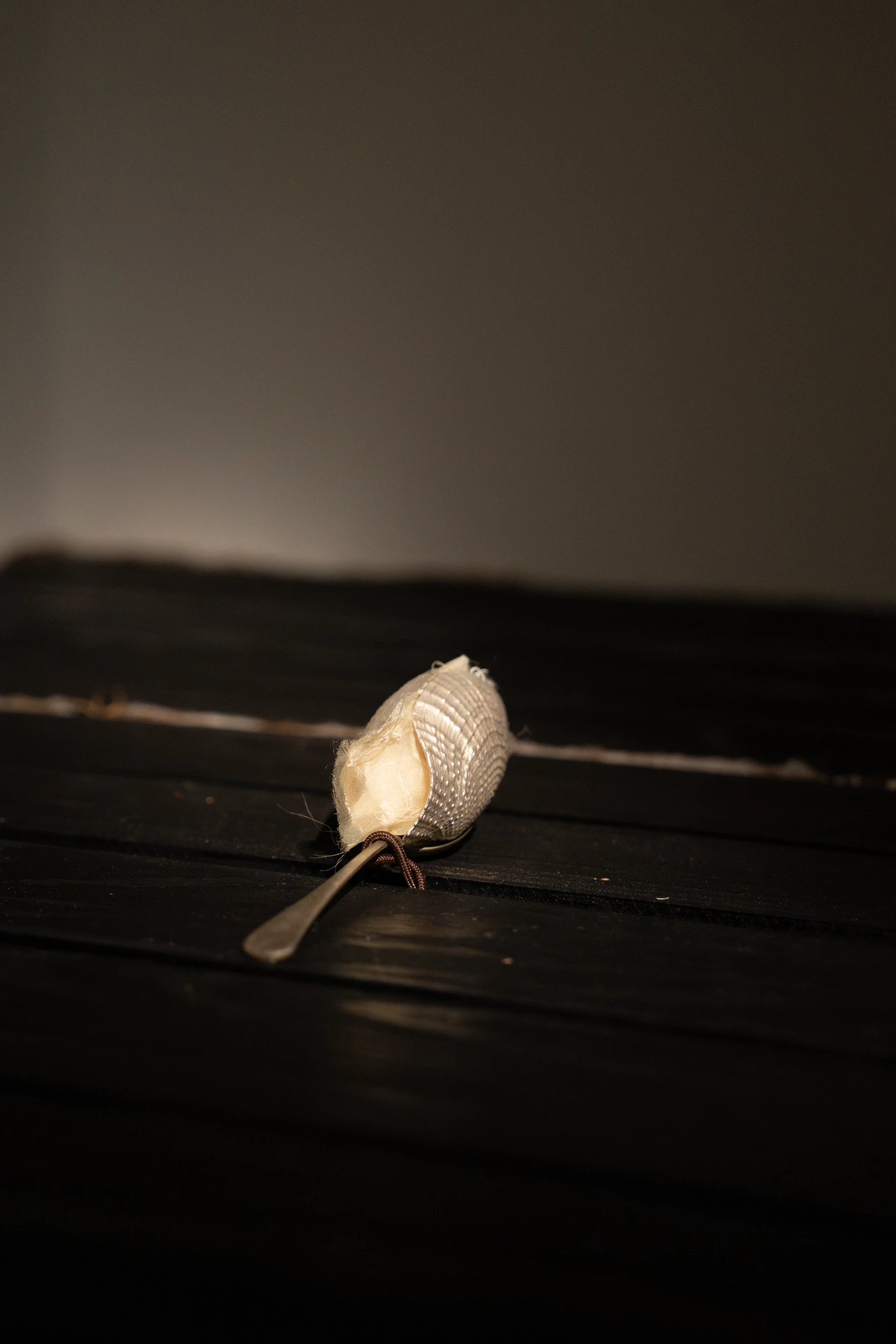
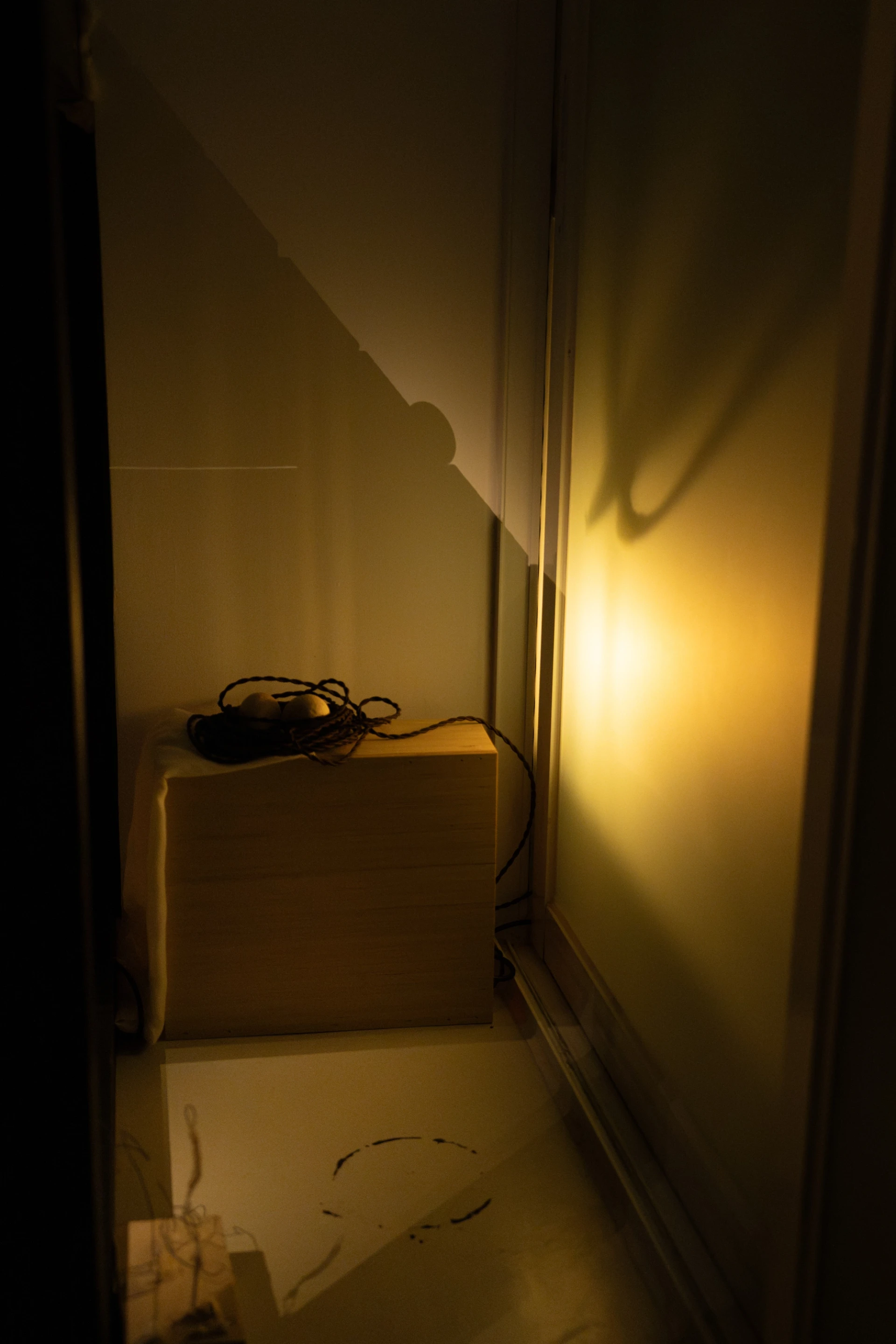
Installation view, Xue Ying, the room is empty, but pregnant. 2027. Charred wood flooring, water circulation pump, bronze, red copper, wrought iron, dried flower, and other mixed materials. Commissioned by Cheng-Lan Foundation. Photo: Ray Leung.
Installation view, Xue Ying, the room is empty, but pregnant. 2027. Charred wood flooring, water circulation pump, bronze, red copper, wrought iron, dried flower, and other mixed materials. Commissioned by Cheng-Lan Foundation. Photo: Ray Leung.
Installation view, Xue Ying, the room is empty, but pregnant. 2027. Charred wood flooring, water circulation pump, bronze, red copper, wrought iron, dried flower, and other mixed materials. Commissioned by Cheng-Lan Foundation. Photo: Ray Leung.
Installation view, Xue Ying, the room is empty, but pregnant. 2027. Charred wood flooring, water circulation pump, bronze, red copper, wrought iron, dried flower, and other mixed materials. Commissioned by Cheng-Lan Foundation. Photo: Ray Leung.
Installation view, Xue Ying, the room is empty, but pregnant. 2027. Charred wood flooring, water circulation pump, bronze, red copper, wrought iron, dried flower, and other mixed materials. Commissioned by Cheng-Lan Foundation. Photo: Ray Leung.
Installation view, Xue Ying, the room is empty, but pregnant. 2027. Charred wood flooring, water circulation pump, bronze, red copper, wrought iron, dried flower, and other mixed materials. Commissioned by Cheng-Lan Foundation. Photo: Ray Leung.
Through working with fragile, immediate mediums including drawing, found object, and craft, the works on view collectively open up threads of inquiry into how the themes of matrilineal inheritance, female autonomy, and relational forces have shaped their processes of art-making. By foregrounding the intimate and the everyday, the exhibition invites viewers to reconsider the quiet labour and embodied knowledge that underpin both domestic life and artistic creation.
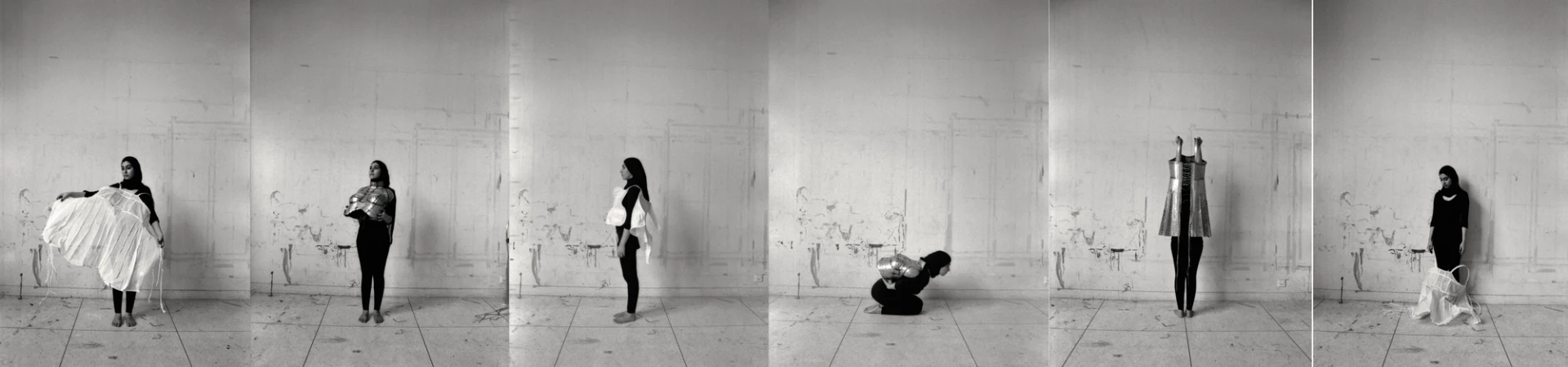
Naiza Khan, New Clothes for the Emperor, 2009. Digital photographs on archival paper. Edition 2 of 6. © Naiza Khan. Courtesy of the artist and Rossi & Rossi
Public Programmes
Dates:
26 September
03 October
07 November
All sessions 2.00PM-3.00PM
Join us on the first Saturday of every month through the run of the exhibition for an intimate curator-guided tour. Learn more about works on view and hear more about the themes and thinking behind the respective artists’ practice, as well as the curatorial approach.
Capacity limited to 8 participants per session. Register here!